
What is the correct flange installation method?
Follow the standard step-by-step installation process to ensure tight sealing,stable connection and long service life of flange joints.
Preparation before installation
Clean the flange sealing surface,pipe end,bolts and gaskets.Remove rust,oil,welding slag and scratches.Check flanges for deformation,cracks or damage,and confirm the flange standard,pressure class and size match the pipeline.
Pipe alignment
Align the two pipe sections to keep the flanges parallel and concentric.Avoid forced pulling,twisting or offset installation.The flange faces must be kept parallel to prevent uneven gasket compression.
Gasket placement
Select a suitable gasket according to temperature,pressure and medium.Place the gasket in the center of the flange sealing face,do not use two gaskets or add thin fillers to adjust gaps.
Bolt installation
Insert all bolts and tighten them crosswise and symmetrically in stages.This ensures even pressure distribution and prevents leakage caused by uneven stress.Use matched bolts and nuts with anti-rust treatment for outdoor or corrosive environments.
Welding fixation(for welding flanges)
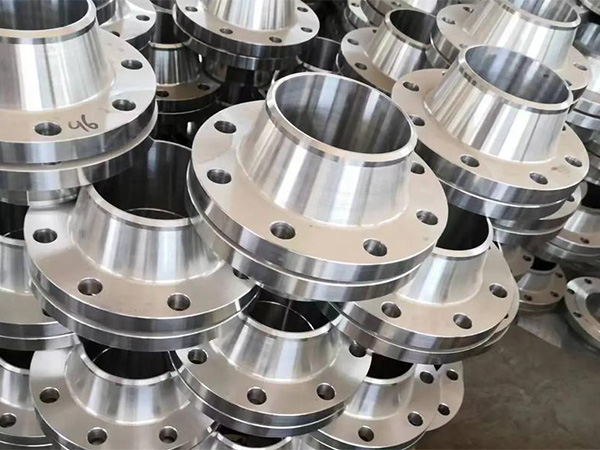
For slip on flange and weld neck flange,complete standard welding.Ensure full weld penetration,no pores or cracks.Cool naturally after welding instead of forced cooling.
Inspection and pressure test
Check the flange gap,flatness and bolt tightness after installation.Conduct water pressure or air tightness test as required.Observe for leakage at the flange connection under working pressure.
Daily protection
Avoid external impact,vibration and heavy load on flange joints.Apply anti-corrosion coating on exposed flanges for long-term outdoor use.
 Home
Home Product
 Contact